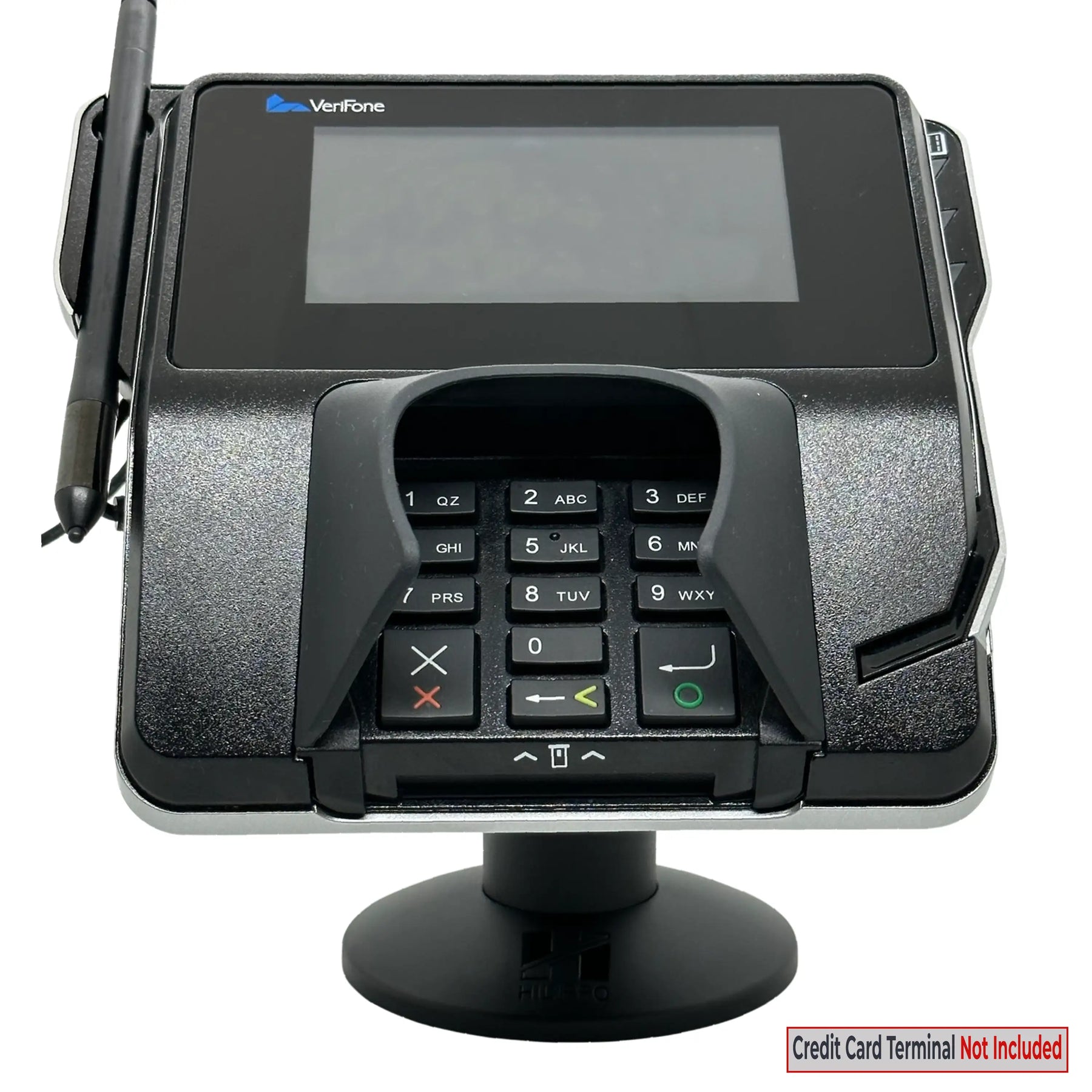
When it comes to setting up your point-of-sale (POS) system, the choice of stand can significantly impact your business operations. Two popular options are wall mounts and swivel stands, each offering unique advantages depending on your specific needs. In this post, we’ll compare these two POS solutions to help you determine which is the right fit for your business.
Wall mounts are an excellent choice for businesses that prioritize space efficiency and security. By affixing your POS terminal to a wall, you free up valuable counter space, making it ideal for small retail environments, quick-service restaurants, or any area where space is at a premium.
Advantages of Wall Mounts:
Considerations:
Swivel stands, on the other hand, are designed for flexibility and ease of use. These stands allow the terminal to swivel and tilt, enabling quick adjustments to meet the needs of both the cashier and the customer. This makes swivel stands particularly suitable for customer-facing environments, such as retail stores and restaurants, where interaction is key.
Advantages of Swivel Stands:
Considerations:
The choice between a wall mount and a swivel stand ultimately depends on your business’s specific needs. If you’re looking to save space and prioritize security, a wall mount might be the better option. However, if customer interaction and flexibility are top priorities, a swivel stand could be the ideal solution.
For businesses that require both security and flexibility, consider using a combination of both types of stands in different areas of your store. This hybrid approach allows you to optimize your setup based on the unique demands of each space.
Choosing the right POS stand can make a significant difference in the efficiency and functionality of your checkout process. Whether you opt for a wall mount or a swivel stand, consider your business’s specific needs, customer interactions, and available space. By making an informed decision, you can ensure a smooth and effective POS system that enhances your overall business operations.